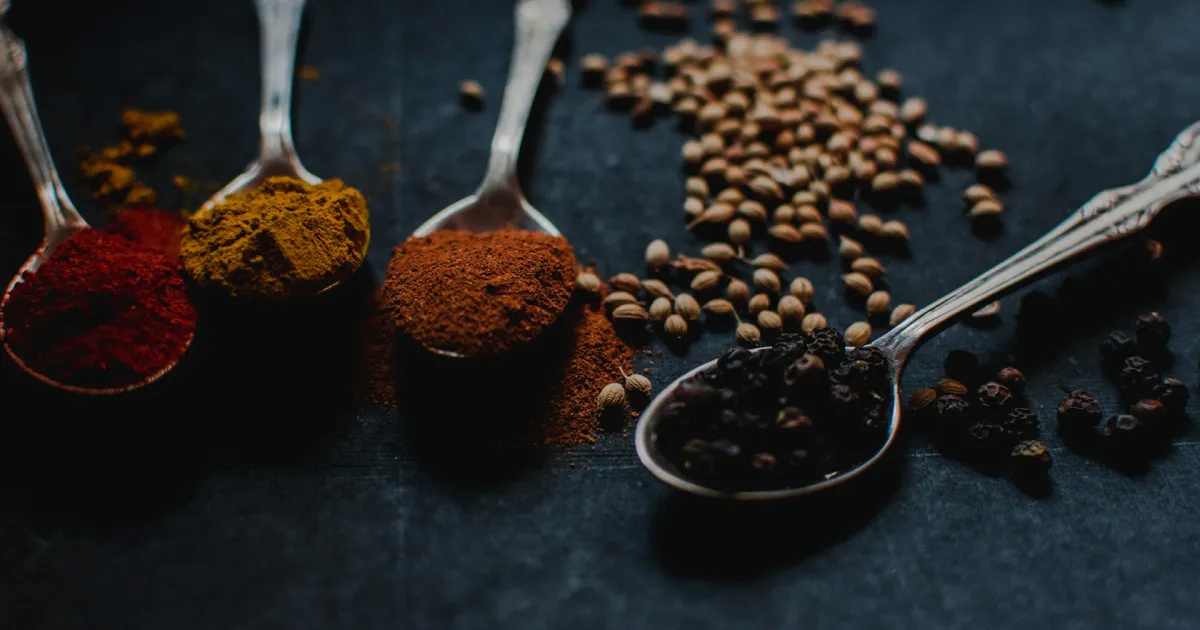
Indian cooking is known for its rich flavors, aromas, and variety of spices. If you’re new to Indian cuisine, choosing the right spices can seem confusing. The spice aisle may be filled with unfamiliar names and countless options, but you don’t need a large collection to get started. A few essential Indian spices can help you create flavorful dishes while you gradually learn how each one is used.
You only need a handful of essential spices to start cooking flavorful Indian dishes at home.
From turmeric and cumin to coriander and cardamom, each spice has a different role in Indian cooking.
This guide explains the most useful spices for beginners, how to use them, and how to build a simple Indian pantry.
What Are the Essential Indian Spices?
The most useful Indian spices for beginners include turmeric, cumin, coriander, mustard seeds, cardamom, cinnamon, cloves, and black pepper.
With a small collection of spices, you can prepare a variety of dishes, from curries and rice to dals, vegetables, and traditional drinks.
1. Turmeric
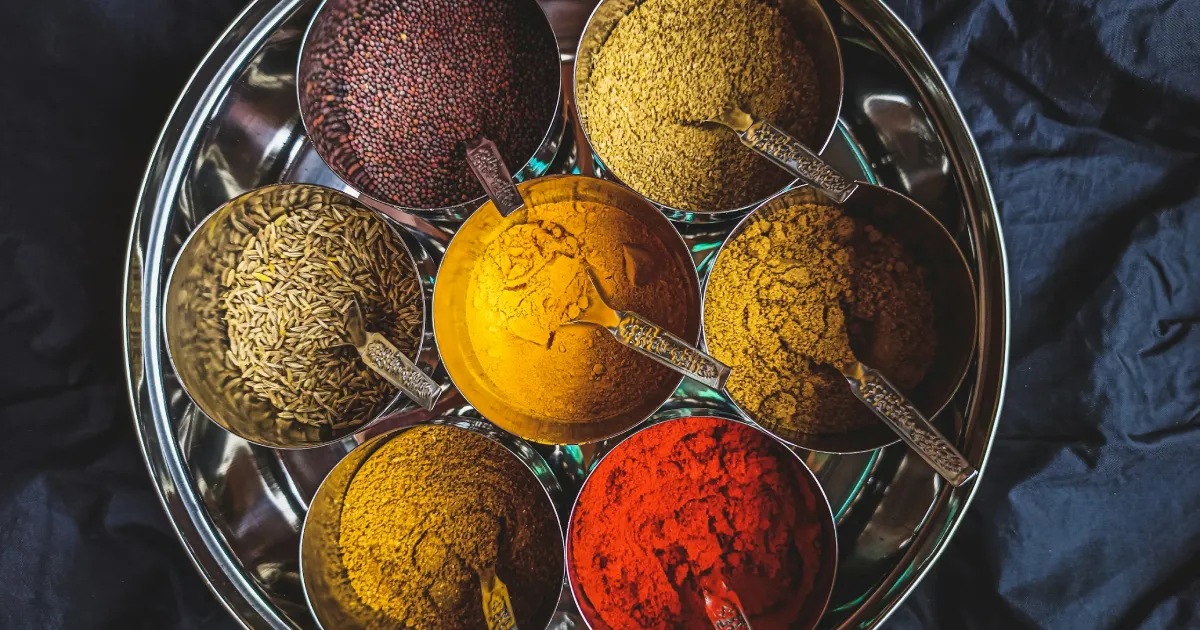
Turmeric adds a warm earthy flavor and bright yellow color to many Indian dishes.
Turmeric is commonly used in curries, dals, vegetable dishes, rice, and marinades. A small amount is usually enough to add color and flavor.
2. Cumin
Cumin adds a warm, earthy, slightly nutty flavor to Indian dishes.
Cumin seeds are often added to hot oil at the beginning of cooking to release their aroma. Ground cumin is also used in spice blends, curries, and marinades.
3. Coriander
Coriander provides a mild flavor and is one of the most versatile spices in Indian cooking.
Both coriander seeds and ground coriander are widely used. Ground coriander works well in vegetable dishes, curries, sauces, and spice blends.
4. Mustard Seeds
Mustard seeds add a sharp flavor and are especially common in South Indian cooking.
They are often tempered in hot oil along with curry leaves, dried chilies, or other spices. This technique adds aroma and flavor to dishes such as vegetable preparations, dals, and chutneys.
5. Cardamom
Cardamom has a sweet, fragrant flavor that works particularly well in drinks, desserts, and aromatic rice dishes.
Green cardamom is commonly used in Indian tea, desserts, biryani, and other dishes where a delicate aroma is desired.
6. Cinnamon
Cinnamon adds a warm, slightly sweet aroma to both savory and sweet Indian dishes.
It is often used in biryani, pulao, curries, desserts, and masala tea.
7. Cloves
Cloves provide a strong, warm aroma and are commonly used in rice dishes, curries, and spice blends.
Because cloves have a strong flavor, only a small quantity is generally needed.
8. Black Pepper
Black pepper adds heat and a sharp, earthy flavor to Indian food.
It can be used whole, crushed, or ground in curries, soups, marinades, rice dishes, and traditional drinks.
Which Indian Spices Should Beginners Buy First?
Start with five to seven versatile spices before expanding your pantry.
A practical beginner’s collection could include:
- Turmeric powder
- Cumin seeds
- Ground coriander
- Mustard seeds
- Black pepper
- Green cardamom
- Cinnamon
You can add cloves, chili powder, fenugreek, fennel, and other spices as you explore more recipes.
Recommended Spice Starter Set
A small Indian spice starter set can be a convenient way to try several commonly used spices at once.
If you are new to Indian cooking, look for a set containing spices you are likely to use regularly rather than a large collection with unfamiliar ingredients.
Whole Spices vs Ground Spices: Which Is Better?
Whole spices generally keep their aroma longer, while ground spices are more convenient for everyday cooking.
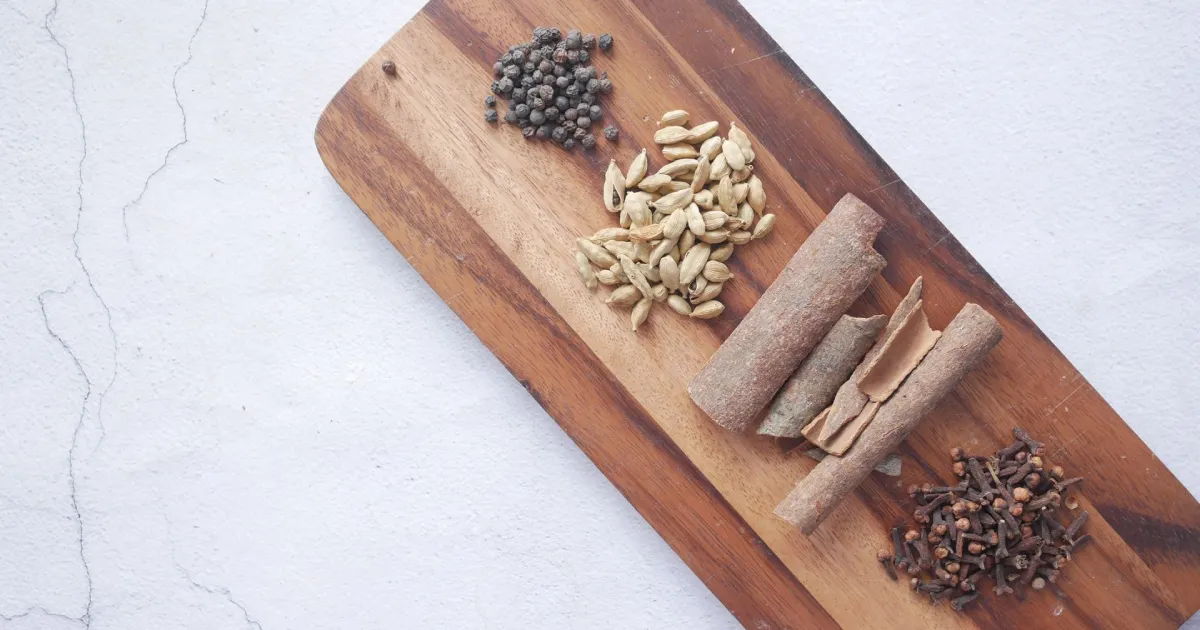
Whole cumin, coriander, cardamom, cloves, cinnamon, and pepper can retain their aroma for longer when stored correctly. Ground spices are convenient when you want to season a dish quickly.
For beginners, keeping a combination of both can be useful.
For example, you can keep whole cumin and mustard seeds for tempering while using ground turmeric and coriander for everyday cooking.
How Do You Use Whole Spices in Indian Cooking?
Whole spices are often added to hot oil at the beginning of cooking to release their aroma.
This technique is commonly called tempering or tadka. The spices are briefly cooked in oil or ghee before other ingredients are added.
For example, cumin seeds or mustard seeds can be added to hot oil until they become aromatic. This creates a flavorful base for many Indian dishes.
The timing matters because spices can burn quickly when exposed to very high heat.
How Should You Store Indian Spices?
Store spices in airtight containers in a cool, dry place away from direct sunlight and moisture.
A kitchen cabinet or pantry is usually more suitable than a location directly above the stove.
Keep spice containers tightly closed after every use. Moisture can cause ground spices to clump and may affect their quality.
If you buy spices in larger quantities, consider keeping smaller amounts in your everyday containers and storing the remainder separately.
How Long Do Indian Spices Last?
Dried spices can remain usable for a long time, but their flavor and aroma gradually become weaker.
Check older spices before using them. If a spice has lost most of its aroma or flavor, replacing it can make a noticeable difference in your cooking.
Whole spices generally retain their qualities longer than ground spices when stored properly.
What Is the Difference Between Indian Spices and Spice Blends?
Individual spices are single ingredients, while spice blends combine several spices to create a specific flavor profile.
For example, garam masala is a spice blend commonly used in Indian cooking. The exact ingredients can vary between recipes, regions, and brands.
Using individual spices gives you more control over the flavor of your food, while blends can make cooking quicker and more convenient.
What Is Garam Masala?
Garam masala is a blend of aromatic spices used in many Indian dishes.
Depending on the blend, it may contain ingredients such as cumin, coriander, cardamom, cinnamon, cloves, nutmeg, bay leaves, fennel seeds, and black pepper.
Garam masala is not a single spice. It is a combination of spices, and different recipes can have different proportions and ingredients.
Can You Substitute Indian Spices?
Some Indian spices can be substituted, but the flavor of the final dish may change.
For example, fresh ginger and dried ginger powder are not identical, and different types of chili can vary significantly in heat.
When possible, use the spice specified in the recipe. If you need a substitute, use a small amount first and adjust according to taste.
How Can You Build an Indian Pantry on a Budget?
The easiest way to build an Indian pantry on a budget is to buy versatile spices gradually and choose ingredients you will use regularly.
You can begin with:
- Turmeric
- Cumin
- Coriander
- Mustard seeds
- Black pepper
- Chili powder
- Garam masala
Once you become comfortable with these, you can add cardamom, cinnamon, cloves, fennel, fenugreek, and other spices according to the dishes you enjoy.
Final Thoughts
A basic collection of Indian spices is enough to help beginners prepare a wide range of flavorful dishes at home.
Start with a few versatile spices, learn how each one tastes, and gradually expand your pantry as you try new recipes.
Indian cooking is not about having the largest spice collection. Understanding how and when to use a few key ingredients can make cooking more enjoyable and approachable.
Start with the basics, experiment with different flavors, and build your Indian pantry one spice at a time.
FAQs
What are the essential Indian spices for beginners?
Turmeric, cumin, coriander, mustard seeds, black pepper, cardamom, and cinnamon are good spices to start with.
How many Indian spices do I need to start cooking?
You can begin with five to seven versatile spices and add more as you explore different recipes.
Are Indian spices very spicy?
Not all Indian spices are hot, as many add aroma, color, or depth rather than heat.
What is the difference between whole and ground spices?
Whole spices generally retain their aroma longer, while ground spices are more convenient for everyday cooking.
Can I substitute Indian spices?
Some spices can be substituted, but the flavor of the dish may change.
It is best to use the recommended spice when possible, especially when preparing a traditional recipe.
Where should beginners buy Indian spices?
Beginners can buy Indian spices from supermarkets, Indian grocery stores, specialty food shops, or reputable online retailers.
Buying a small starter set can also be convenient when trying several spices for the first time.
Images sourced from Unsplash / Pexels