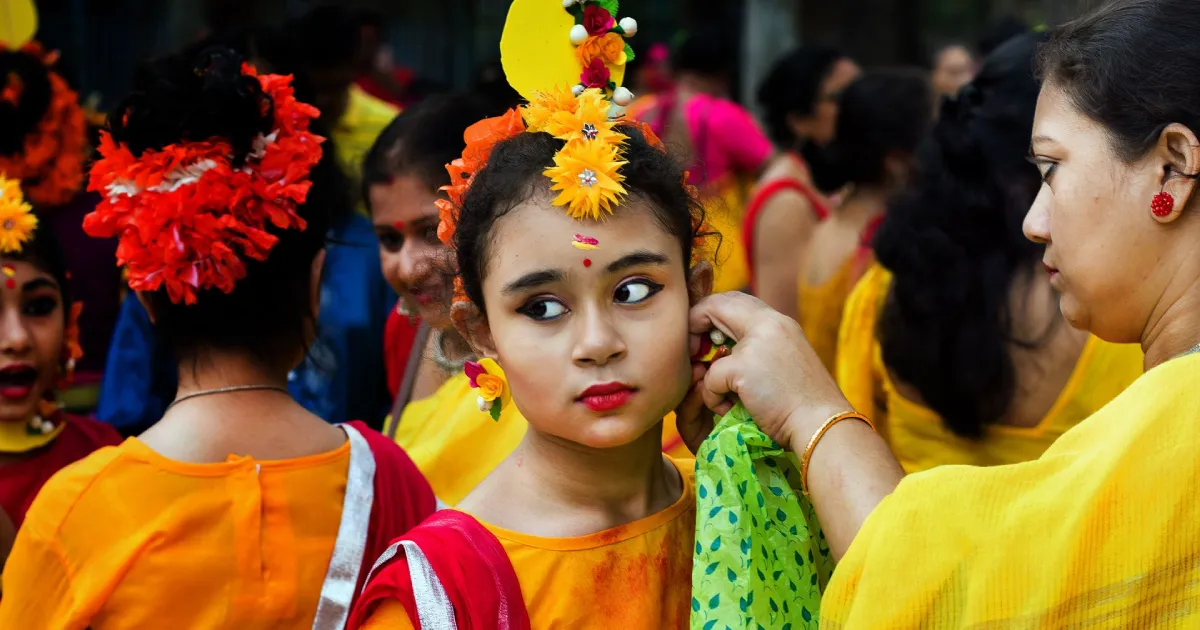
India is known for its diverse cultures, traditions, languages, religions, festivals, food, music, and ways of life. From colorful festivals and elaborate weddings to everyday customs around food, family, and hospitality, Indian culture is shaped by centuries of history and regional traditions.
For first-time visitors, understanding a few basic customs can make travelling in India more comfortable and meaningful. While traditions vary widely from one region to another, knowing some common cultural practices can help you prepare for your visit.
Understanding Indian Culture
India is not a single cultural experience. Customs can change significantly between states, communities, and regions. What is common in Kerala may be different from what you experience in Rajasthan, Punjab, West Bengal, Tamil Nadu, or Maharashtra. Religion, language, geography, history, and local traditions all influence everyday life. These elements do not exist in isolation; they continuously blend to create a unique local way of life.
Diversity is one of the most interesting aspects of traveling through India.
Rather than expecting one set of rules to apply everywhere, visitors can approach Indian culture with curiosity and respect.
Indian Greetings and Social Customs
A traditional Indian greeting is Namaste, usually made by bringing the palms together in front of the chest and offering a slight nod. It is widely recognized, although handshakes are also common in many professional and social settings.
Respect for elders is an important part of many Indian communities. Younger people may use specific terms to address older relatives or community members rather than addressing them simply by their first names.
Hospitality is also highly valued. Visitors may be offered food, tea, or refreshments even during a short visit. Accepting at least a small offering is often appreciated.
Dress and Cultural Etiquette
India has a wide variety of clothing styles, from everyday Western clothing to traditional garments such as sarees, salwar suits, kurtas, dhotis, and mundus.
Dress expectations depend on the location. Tourist areas and cities may be more relaxed, while religious places and rural communities may expect more modest clothing.
When visiting temples, mosques, churches, or other religious sites, it is best to dress respectfully. Some places may require visitors to cover their shoulders or legs, while others may have specific rules about head coverings.
Read: What to Wear in India: A Guide to Cultural Dress and Etiquette
Visiting Indian Temples and Religious Places
Religious sites are an important part of India’s cultural landscape. Visitors are welcome at many places of worship, but local rules should always be followed.
Common practices may include:
- Removing shoes before entering certain religious places
- Dressing modestly
- Keeping voices low
- Asking before taking photographs
- Following signs and instructions
- Avoiding restricted areas
- Respecting people who are praying or participating in ceremonies
Rules vary from one place to another, so it is always better to check local guidance rather than assume that the same customs apply everywhere.
Read next: Indian Temple Etiquette: What Foreign Visitors Should Know
Indian Food and Dining Customs
Food is closely connected with Indian culture, family, celebrations, and regional identity.
Indian cuisine differs considerably across the country. South Indian food may feature rice, coconut, lentils, and fermented dishes, while northern cuisines are known for breads, dairy-based dishes, and rich gravies. Coastal regions often have their own seafood traditions.
Eating with your right hand is common in many parts of India, particularly when eating traditional meals. If you are not comfortable doing so, using a spoon is perfectly acceptable in most settings.
Vegetarian food is also widely available, and some communities follow strict vegetarian traditions. If you have dietary restrictions, it is useful to communicate them clearly when ordering.
Related guide: Indian Dining Etiquette: What First-Time Visitors Should Know
Indian Festivals and Celebrations
Festivals are an important part of Indian life and provide visitors with an opportunity to experience local culture.
Some widely celebrated festivals include:
- Diwali – the festival of lights
- Maha Shivaratri:a Hindu festival dedicated to Lord Shiva, observed with prayers and night-long worship by many devotees.
- Holi – known for its colors and celebrations
- Navratri – a festival celebrated in different forms across India
- Dussehra – associated with the victory of good over evil
- Pongal – a harvest festival celebrated mainly in Tamil Nadu
- Onam – a major harvest and cultural festival in Kerala
- Eid – celebrated by Muslim communities across India
- Raksha Bandhan: a festival celebrating the bond between siblings, traditionally marked by sisters tying a thread around their brothers’ wrists.
- Christmas – celebrated widely, particularly in several regions and communities
The way a festival is celebrated can vary greatly between states and communities. Local food, clothing, music, rituals, and decorations often make each celebration unique.
Read more: Indian Festivals: A Beginner’s Guide to Celebrations and Traditions
Indian Wedding Traditions
Indian weddings are often multi-day celebrations that blend ancient rituals, community feasts, and deep spiritual significance.
Depending on the community and region, celebrations may include events such as engagement ceremonies, mehndi, haldi, music and dance gatherings, and the main wedding ceremony.
Colors, clothing, food, music, and rituals all play an important role. There is no single Indian wedding tradition, however. Hindu, Muslim, Christian, Sikh, Jain, and other communities have their own customs.
If you are invited to an Indian wedding, it is perfectly acceptable to ask the hosts about appropriate clothing and customs beforehand.
Read next: Indian Wedding Traditions Explained: Ceremonies, Customs and Meaning
Respect for Family and Community
Family relationships have traditionally played an important role in many Indian communities. Extended families may remain closely connected, and important decisions can sometimes involve several generations.
Community relationships are also significant, particularly during festivals, weddings, religious celebrations, and other social occasions.
Visitors may notice that people ask personal questions about family, marriage, age, or occupation more readily than they might in some Western cultures. These questions are often intended as friendly conversation rather than intrusion, although individual attitudes vary.
Photography and Personal Space
India offers countless opportunities for photography, from historic architecture and colorful markets to festivals and everyday street scenes.
However, it is important to ask permission before photographing people, particularly during religious ceremonies, private events, or personal interactions.
Some temples, museums, monuments, and cultural sites may restrict photography. Always follow the local rules.
Cultural Etiquette: What Visitors Should Remember
You do not need to know every Indian custom before visiting. A few simple habits can help you navigate different cultural settings respectfully:
- Dress appropriately for religious and traditional places.
- Ask before photographing people.
- Follow local rules at religious sites.
- Respect food preferences and dietary practices.
- Remove footwear where required.
- Be mindful of local customs during festivals and ceremonies.
- Avoid making assumptions about Indian culture based on one region.
- Ask questions when you are unsure.
- Approach unfamiliar traditions with curiosity and respect.
India’s Cultural Diversity
One of the most important things to understand about Indian culture is its diversity.
India has hundreds of languages and numerous regional traditions. Food, clothing, festivals, architecture, music, dance, and social customs can change dramatically as you travel from one state to another.
For example, the cultural experience in Kerala can be very different from Rajasthan, while Tamil Nadu has traditions that differ from those of Punjab or West Bengal.
This diversity means there is always more to learn. A trip through India can become an opportunity to experience several distinct cultural traditions within the same country.
Experiencing Indian Culture as a Visitor
The best way to experience Indian culture is to go beyond sightseeing.
Try local food, attend a cultural celebration when appropriate, visit museums and heritage sites, listen to regional music, learn about local history, and speak with people about their traditions.
For inspiration, read this Indian street food guide to discover popular dishes from different parts of the country.
You do not need to participate in every custom. Simply understanding the meaning behind local practices can make your experience more rewarding.
A Quick Cultural Etiquette Checklist
Before visiting India, keep these simple points in mind:
- Respect religious and cultural spaces.
- Dress appropriately when visiting traditional places.
- Ask permission before photographing people.
- Try local food and learn about regional cuisines.
- Be open to different customs and ways of life.
- Entering restricted areas at religious sites.
- Photographing ceremonies or people without permission.
- Assuming that one Indian tradition represents the entire country.
- Disrespecting religious symbols or practices.
- Expecting every region to follow the same customs.
What to Wear When Visiting India
Lightweight, breathable clothing is useful when travelling around India, especially during warmer months. If you plan to visit temples or other religious places, carrying a lightweight scarf or shawl can also be helpful where covering the shoulders or head is required.
Useful travel essentials: Consider packing comfortable, modest clothing and a versatile travel scarf that you can use throughout your trip.
Essentials for Exploring Indian Culture
Visiting local markets, museums, historic monuments, and cultural attractions often involves spending time outdoors. A small daypack, reusable water bottle, and comfortable walking shoes can make these outings more convenient.
Travel tip: Choose practical items that suit India’s climate and your planned activities rather than packing unnecessary accessories.
Experience India with Curiosity
Indian culture cannot be understood through a single list of customs. Its diversity is what makes the country so fascinating.
From regional food and colorful festivals to music, weddings, religious traditions, and everyday hospitality, every part of India offers something different to experience.
For visitors, the best approach is simple: learn a little, respect local customs, and remain curious.
Frequently Asked Questions
What are the most important Indian customs for visitors to know?
Respecting religious places, dressing appropriately, asking permission before photographing people, following local rules, and being open to regional differences are some of the most useful things for first-time visitors to understand.
Is Namaste still commonly used in India?
Yes. Namaste is a familiar and respectful greeting, although handshakes and other forms of greeting are also common depending on the setting and region.
What should foreigners wear in India?
There is no single dress code for the entire country. Comfortable clothing is generally suitable, but modest clothing is recommended when visiting temples, religious sites, rural communities, and traditional settings.
Can foreigners visit Indian temples?
Yes, many Indian temples welcome foreign visitors regardless of their nationality or faith. However, entry rules vary by temple, and some temples restrict entry to practicing Hindus or have other specific requirements. Visitors should check the rules before planning their visit.
Is it acceptable to eat with your hands in India?
Yes. Eating with the right hand is a traditional practice in many parts of India, particularly when eating certain local dishes. Using a spoon is also common and acceptable.
Why is Indian culture so diverse?
India’s culture has developed through thousands of years of history, with different languages, religions, communities, geographical regions, and historical influences shaping local traditions.